
Site clearance is the first step in many construction projects and involves removing vegetation, debris, and existing structures. This stage carries several risks that must be managed carefully. At RAMS Documents, we provide Site Clearance RAMS that support safe and organised work across projects in Dinnington. Our documents combine detailed risk assessments with clear method statements to guide each task from start to finish.
This helps site teams understand hazards and follow safe procedures at every stage. We focus on producing accurate and practical documents that meet current safety standards and legal requirements.
RAMS Documents is a reliable provider of construction safety documentation, supporting businesses across Dinnington with clear and compliant RAMS solutions. We specialise in creating Risk Assessments and Method Statements that reflect real site conditions and project requirements. Our team works closely with contractors, developers, and site managers to understand each project before preparing tailored documents.
We believe that safety documents should be simple to read and easy to apply on-site. This approach helps teams follow procedures with confidence and maintain safe working practices. Our experience across different construction activities allows us to deliver consistent and dependable results. In Dinnington, we are known for providing documents that meet industry standards and support regulatory compliance.
01.
02.
03.
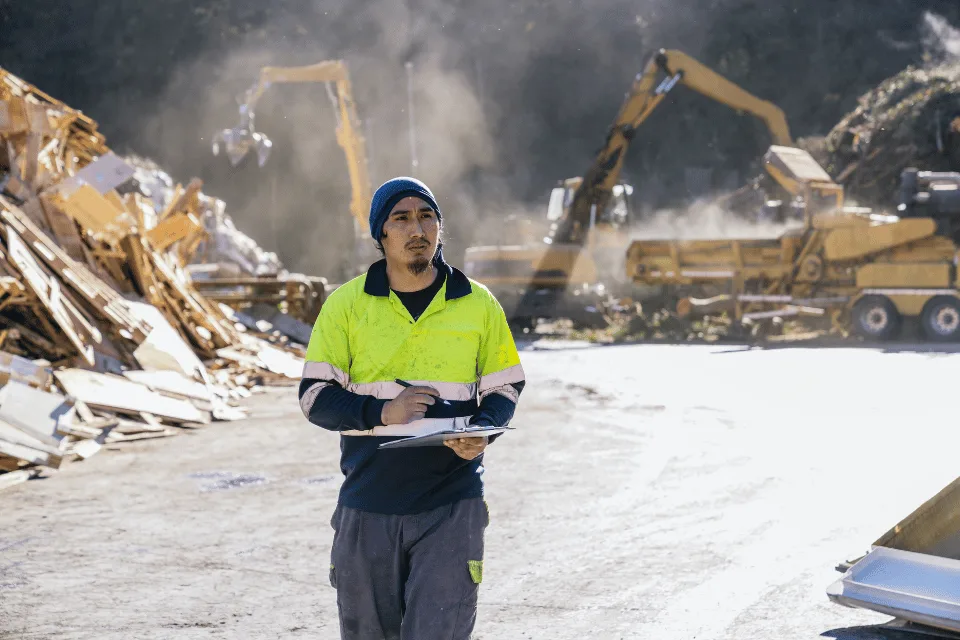
Site clearance involves multiple activities such as removing trees, clearing waste, and preparing land for construction. Each task presents its own risks, making proper planning essential. At RAMS Documents, we provide reliable Site Clearance RAMS that support safe working practices across projects in Dinnington. Our documents outline each stage of the clearance process, helping teams understand how work should be carried out safely.
We identify risks such as equipment use, uneven ground, and environmental hazards, along with control measures to reduce these risks. This ensures that workers are prepared and aware before work begins. Construction projects must meet strict safety standards, having clear RAMS improves coordination and accountability.
Site Clearance RAMS are important because they identify hazards and outline safe working methods, helping reduce risks, protect workers, and ensure compliance with health and safety regulations during clearance activities.
Contractors, developers, site managers, and anyone involved in land preparation or clearance work need Site Clearance RAMS to ensure tasks are planned safely and meet required safety and legal standards.
They identify risks such as machinery operation, falling debris, uneven ground, manual handling, and environmental hazards, along with control measures to manage these risks and maintain safe working conditions.
Yes, Site Clearance RAMS include guidance on safe use of machinery, equipment handling, operator responsibilities, and maintenance checks to ensure all equipment is used safely during site clearance work.
Site Clearance RAMS should be updated whenever there are changes in site conditions, equipment, work processes, or safety regulations to ensure continued accuracy, relevance, and compliance throughout the project.
Site Clearance RAMS cover debris removal, vegetation clearance, waste handling, and ground preparation, ensuring all activities are carried out safely and in accordance with defined procedures.
Site Clearance RAMS include waste segregation, pollution control, and responsible disposal practices, helping protect surrounding environments and maintain compliance with environmental standards.
Site Clearance RAMS rely on detailed risk assessments to identify hazards such as unstable ground, hidden obstacles, and machinery risks, forming the foundation for safe working methods.
Site Clearance RAMS provide structured workflows and timelines, enabling efficient coordination of tasks while maintaining high safety standards throughout the clearance process.
Site Clearance RAMS define safe handling, storage, and disposal methods for waste materials, ensuring compliance and minimizing environmental impact.