

We deliver customised Demolition Risk Assessments and Method Statements in Market Weighton to manage risks and ensure site safety. Contact us today for professional support and rapid service.
Bricklaying is a core part of construction, involving manual work, height access, and material handling. Our Bricklaying RAMS service in Market Weighton provides clear Risk Assessment and Method Statements to support safe and organised site work. These documents explain how bricklaying tasks will be carried out while managing risks at each stage. At RAMS Documents, we create structured guidance that helps teams understand hazards and follow safe procedures.
Each RAMS identifies risks such as manual handling strain, falls from height, and site access issues, along with control measures to reduce them. Whether you are working on residential builds or commercial projects in Market Weighton, our service ensures your team is prepared before work begins.
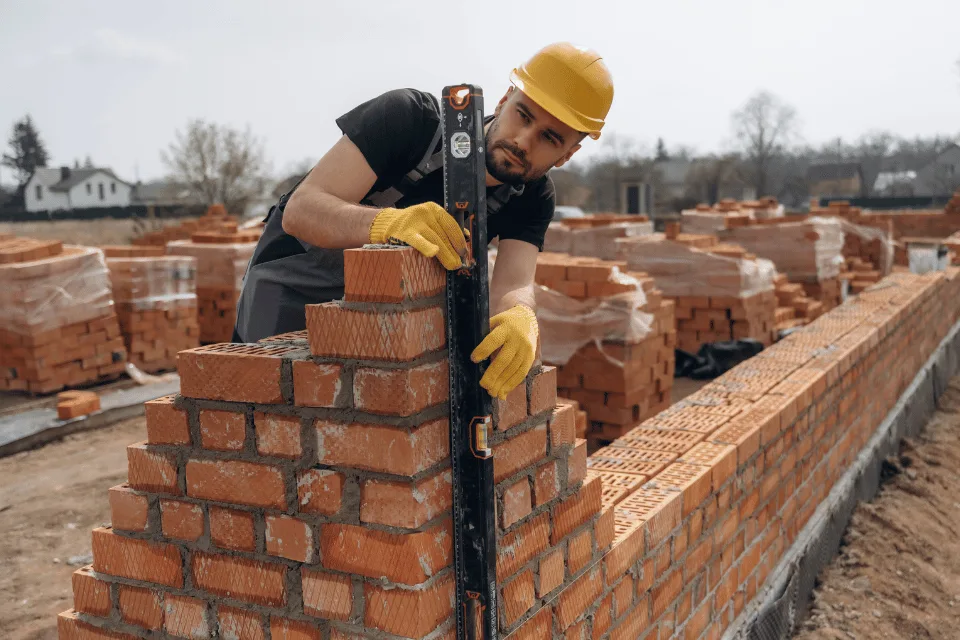
RAMS Documents is a trusted provider of professional safety documentation for construction projects across Market Weighton. We specialise in creating Bricklaying RAMS that support safe and compliant site operations. Our team understands the demands of bricklaying work and the importance of planning before tasks begin.
We work closely with contractors and site managers to develop documents that reflect real working conditions. Each RAMS is written in simple language so workers can understand and follow safety procedures without confusion. Our approach focuses on clarity, accuracy, and practical application on site. With experience across a wide range of projects in Market Weighton, we provide consistent support that meets industry requirements.
01.
02.
03.
Safe bricklaying requires careful planning, clear communication, and structured procedures. In Market Weighton, site conditions can vary, making detailed RAMS essential for effective safety management. Our Bricklaying RAMS documents cover all key activities, including material handling, mortar mixing, wall construction, and work at height. Each document identifies hazards such as lifting strain, falling objects, and unstable work areas.
We provide clear control measures to manage these risks and protect workers on site. By outlining safe working methods and defined responsibilities, RAMS support better coordination between teams and supervisors. This helps reduce confusion and ensures work progresses in an organised way.
Bricklaying RAMS provide clear safety guidance and identify risks before work begins. They help protect workers, improve planning, and ensure tasks are completed safely and in line with regulations.
Bricklaying RAMS are required by contractors, builders, and site managers involved in masonry work. They ensure all team members understand risks and follow safe procedures during construction activities.
Yes, Bricklaying RAMS help meet health and safety regulations by showing that risks have been assessed and safe working methods are in place before work begins on site.
Yes, Bricklaying RAMS include risks related to working at height, such as scaffolding use and fall prevention. They outline control measures to ensure safe access and reduce potential hazards.
Bricklaying RAMS should be updated whenever project conditions change, including new hazards or design changes. Regular reviews ensure the document remains accurate and reflects current site activities.
Bricklaying RAMS ensures structured safety planning, hazard identification, and proper material handling, helping teams manage risks effectively while maintaining compliance with construction standards and safety regulations.
Qualified safety professionals or contractors typically prepare Bricklaying RAMS, ensuring all risks, control measures, and safe working procedures are clearly documented before starting bricklaying activities.
It provides clear guidelines and step-by-step procedures, enabling workers to understand risks, follow safe methods, and carry out bricklaying tasks confidently while reducing the likelihood of incidents.
Yes, RAMS documents are tailored based on site conditions, project scale, materials used, and work methods, ensuring relevant safety measures are applied for each specific bricklaying project.